
Men's Pre and Post Workout Nutrition
Master the science of nutritional timing to optimize muscle growth, energy levels, and recovery. Discover evidence-based strategies for fueling your body before and after training.
The information on this site is for educational purposes only and does not constitute medical advice. Always consult a qualified healthcare professional before making health decisions.
Why Nutrition Timing Matters
Your body's ability to build muscle, recover, and perform depends heavily on what you eat and when you eat it. Pre-workout nutrition provides the energy and substrate needed for intense training, while post-workout nutrition initiates the recovery and adaptation process.
When you train without proper fueling, you compromise performance and miss critical anabolic windows. Strategic nutritional timing helps optimize hormonal responses, preserve muscle tissue, and accelerate gains—making timing just as important as total calorie intake.
- Pre-workout meals enhance strength, power output, and training volume
- Post-workout nutrition accelerates muscle protein synthesis and glycogen replenishment
- Proper timing reduces muscle breakdown and supports hormonal balance
The Four-Step Nutrition Protocol
Hydration Phase
Begin hydrating 2-3 hours before training with adequate water intake. Proper fluid status enhances nutrient transport and thermoregulation. Aim for pale yellow urine as a hydration indicator.
Consume 500-750 ml of water to prepare your system for exercise demands.
Pre-Workout Fueling (2-3 hours)
Consume a complete meal with carbohydrates, protein, and minimal fat. Allow adequate digestion time to avoid cramping. Complex carbs provide sustained energy while protein initiates muscle protein synthesis.
Example: chicken breast with brown rice and vegetables—balanced macronutrient profile.
Intra-Workout Support (30+ min)
For training sessions exceeding 60-90 minutes, consume easily digestible carbohydrates and electrolytes. This maintains blood glucose, delays fatigue, and supports performance. Avoid high protein content during training.
Sports drinks or carbohydrate solutions maintain energy availability during prolonged effort.
Post-Workout Recovery (0-2 hours)
Immediately after training, consume high-quality protein and fast-digesting carbohydrates. This signals recovery initiation, restores glycogen, and maximizes the anabolic window. Timing is most critical during this phase.
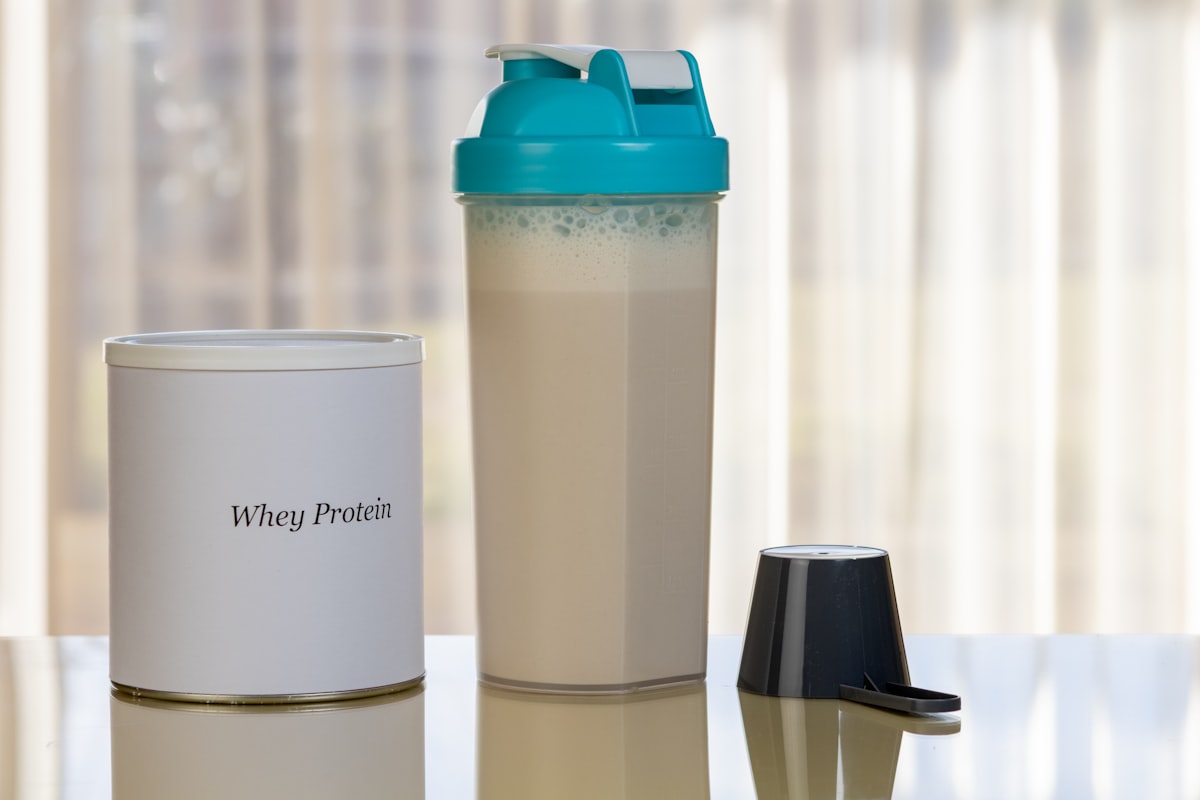
Whey protein with banana or white rice provides rapid nutrient uptake for optimal recovery.
Key Features of Optimal Nutrition Timing
Sustained Energy Delivery
Properly timed carbohydrate intake maintains stable blood glucose throughout your session. This prevents performance crashes, allows higher training volume, and supports mental focus. Complex carbs 2-3 hours prior, simple carbs 30-60 minutes before, provide layered energy availability.
Accelerated Muscle Protein Synthesis
Post-workout protein consumption activates mTOR signaling and muscle protein synthesis. Consuming 20-40g of high-quality protein within 2 hours after training optimizes the recovery response. Amino acid availability directly correlates with muscle growth adaptation.
Glycogen Replenishment
Muscle glycogen depletion during training requires strategic carbohydrate replacement. Post-workout carbohydrates restore muscle glycogen stores, improving recovery and readiness for subsequent training sessions. GLUT4 activation is maximized immediately post-exercise.
Muscle Damage Mitigation
Pre-workout fuel availability reduces reliance on amino acid catabolism for energy. Post-workout nutrition inhibits protein breakdown pathways and activates anabolic signaling. This favorable protein balance drives net muscle gain rather than breakdown.
Hormonal Optimization
Strategic carbohydrate and protein timing modulates cortisol, testosterone, and growth hormone responses. Post-workout carbs suppress cortisol elevation, while protein supports anabolic hormone production. This hormonal environment favors recovery and adaptation.
Consistent Training Readiness
Proper nutrition timing between sessions accelerates recovery from training stress. This allows higher training frequency and volume tolerance. Consistent energy availability and recovery support progressive overload and long-term gains.
Pre-Workout Meal Ideas for Different Training Types

Strength Training Focus
High protein and carbohydrates fuel maximal strength efforts. Prioritize nutrient density and amino acid availability for CNS demand and muscle protein activation.
Suggested Meal (2-3 hours before):
- • 200g chicken breast or lean beef
- • 200g white rice or pasta
- • 150g vegetables (asparagus, broccoli)
- • 1 tbsp olive oil
Macros: ~600 calories | 45g protein | 70g carbs | 10g fat

Hypertrophy & Volume Training
Moderate protein with higher carbohydrate ratios sustains performance through high rep ranges. Energy availability is critical for extended training sessions targeting muscle growth.
Suggested Meal (2-3 hours before):
- • 180g turkey or salmon
- • 250g sweet potato
- • 200g leafy greens with dressing
- • 1 banana
Macros: ~650 calories | 40g protein | 85g carbs | 12g fat

Endurance & Cardio Sessions
Carbohydrate-dominant meals with moderate protein support sustained aerobic efforts. Lower fat content aids digestion and prevents GI distress during prolonged activity.
Suggested Meal (2-3 hours before):
- • 150g chicken breast
- • 300g oatmeal (cooked)
- • 100g berries
- • Pinch of sea salt
Macros: ~580 calories | 35g protein | 95g carbs | 5g fat

Quick Pre-Workout Option (45-60 min before)
When time is limited, simple carbohydrates with easily digestible protein provide rapid energy without gastric distress. Ideal for early morning or between-session training.
Suggested Meal (45-60 min before):
- • 1-2 medium bananas
- • 25-30g whey protein isolate
- • 1 tbsp honey or almond butter
- • 200ml water
Macros: ~280 calories | 25g protein | 40g carbs | 4g fat
Post-Workout Recovery Standard
Immediate post-workout nutrition prioritizes rapid absorption of protein and carbs. High glycemic index carbohydrates accelerate insulin spike, facilitating nutrient uptake and glycogen restoration.
Suggested Meal (within 30-60 min):
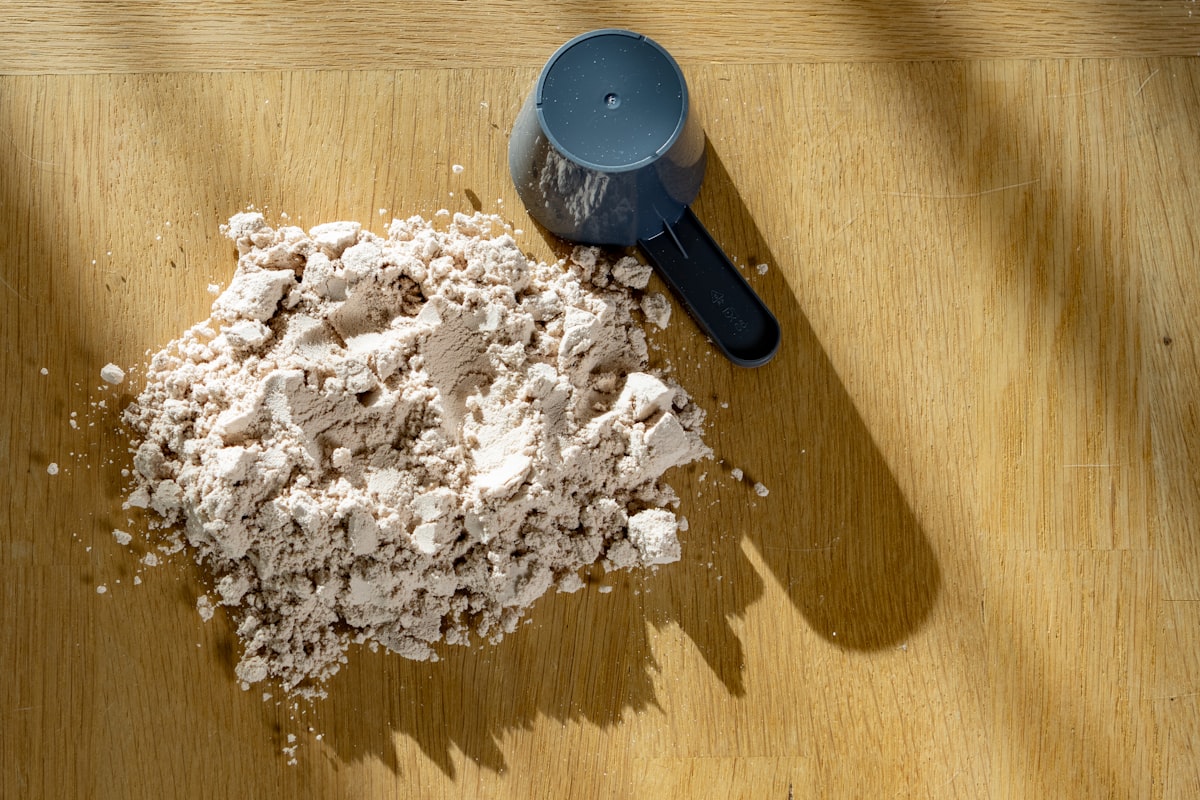
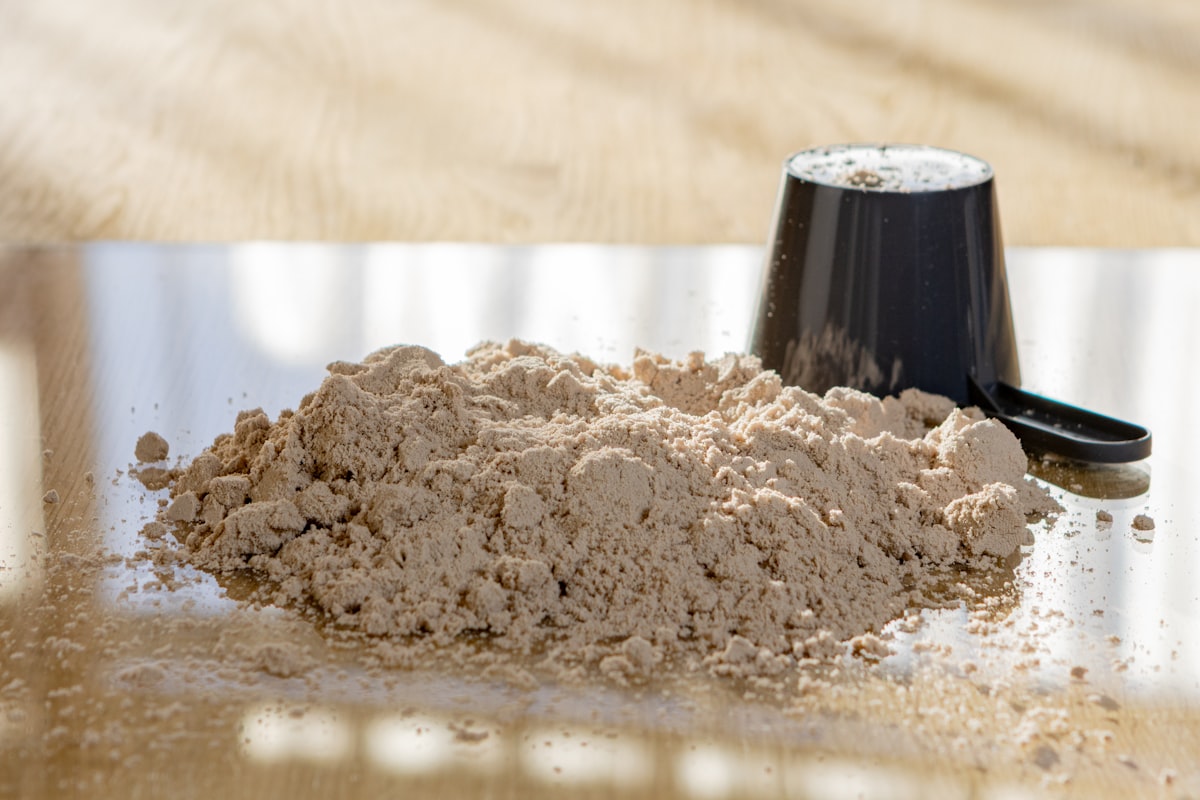
- • 35-40g whey protein concentrate
- • 60-80g white rice or dextrose
- • 1 medium banana or mango
- • 500ml water
Macros: ~450 calories | 40g protein | 60g carbs | 2g fat
Post-Workout Solid Meal (1-2 hours after)
Once initial rapid absorption phase concludes, transition to a complete whole-food meal. This provides sustained nutrition and micronutrient replenishment for full recovery.
Suggested Meal (1-2 hours post):
- • 250g salmon or lean ground beef
- • 250g white potatoes or jasmine rice
- • 200g mixed vegetables
- • 1 tbsp olive oil for cooking
Macros: ~750 calories | 50g protein | 80g carbs | 15g fat
Macronutrient Ratios: Science-Based Guidelines
Optimal macronutrient ratios vary based on training type, individual tolerance, and body composition goals. Understanding how to distribute protein, carbohydrates, and fats around training sessions is essential for maximizing results.
Pre-Workout Macros (2-3 hours before)
Protein: 25-40g | Carbohydrates: 60-100g | Fat: 8-15g
Emphasize easily digestible carbs and lean protein. Minimal fat reduces gastric distress and improves nutrient absorption speed.
Intra-Workout (If Training 90+ min)
Carbohydrates: 30-60g per hour | Electrolytes: 250-500mg sodium
Exclude protein during training. Focus on carbohydrate and electrolyte replacement to maintain performance and blood glucose.
Post-Workout (Immediate, 0-60 min)
Protein: 20-40g | Carbohydrates: 60-100g | Fat: 2-5g
Rapid absorption is prioritized. High glycemic carbs and fast-digesting protein activate recovery signaling at maximum efficiency.
Common Nutrition Questions Answered
Research suggests the "anabolic window" is less rigid than once believed. While protein and carbohydrate intake immediately post-workout is optimal, muscle protein synthesis remains elevated for several hours. However, consuming nutrients within 1-2 hours post-training still provides measurable benefits for recovery and growth. The window isn't a hard deadline but an opportunity to maximize the recovery response when nutrient oxidation is high and insulin sensitivity peaks.
Research indicates 20-40g of high-quality protein is sufficient to maximally stimulate muscle protein synthesis in most trained males. Consuming more than 40g provides minimal additional benefit in a single meal. Protein quality matters—prioritize complete proteins with all essential amino acids (whey, chicken, beef, fish, eggs) over plant-based incomplete sources, which require larger quantities to achieve the same amino acid profile.
Training in a fed state generally outperforms fasted training for strength, volume capacity, and muscle preservation. Pre-workout nutrition improves workout performance, allowing higher training intensity and volume—both critical drivers of muscle growth. Fasted training may slightly increase fat oxidation but compromises performance and potentially increases muscle breakdown. For optimal results, consume a pre-workout meal 2-3 hours before training or a light meal 45-60 minutes before.
Liquid nutrition (shakes, sports drinks) and solid food are equally effective when macronutrient composition matches. Liquids offer advantages for post-workout because they digest faster and don't require chewing, allowing quicker nutrient absorption. Pre-workout, solid food may provide superior satiety and sustained energy. Choose based on convenience and personal tolerance. What matters most is total nutrient intake, timing, and consistency—not the delivery format.
Timing importance scales with training intensity and frequency. High-frequency, high-intensity training benefits most from strategic timing. Low-intensity, infrequent training shows minimal timing-related differences. If training 5-6 days per week with strength and hypertrophy focus, nutrient timing is critical. For casual fitness, total daily intake matters more than meal timing. That said, proper timing is a low-effort variable that enhances results regardless of training level, making it worthwhile to optimize.
Electrolytes and hydration are foundational for performance and recovery. Sodium, potassium, and magnesium should be replenished during and after intense training. For sessions under 60 minutes, water alone is sufficient. For longer or high-sweat sessions, electrolyte drinks maintain performance and reduce cramping. Timing matters most during exercise and the 2-4 hour window post-workout when muscle glycogen and fluid stores are being rebuilt.
What Our Community Says
"The nutrient timing guide completely transformed my training results. I started seeing muscle gains within 3 weeks of implementing the post-workout nutrition strategy."
— Marcus T.
Competitive Bodybuilder
"As someone new to fitness, this resource made nutrition simple and science-backed. No more guessing—just solid, actionable advice backed by research."
— Sarah M.
Fitness Enthusiast
"Recovery improved significantly after applying the timing strategies. My energy levels stayed consistent throughout the day, and my workouts felt stronger."
— James R.
Professional Athlete
"Best nutrition resource I've found. Evidence-based, practical, and written for real people—not just elite athletes. Highly recommend Bodybuildnutri."
— Lisa D.
Personal Training Client