
Frequently Asked Questions
Essential information about pre and post workout nutrition for optimal athletic performance and muscle development
The optimal timing for pre-workout nutrition depends on the meal size. A large, complete meal should be consumed 2-3 hours before exercise to allow proper digestion. Smaller snacks or liquid meals can be taken 30-60 minutes prior to your workout. This timing window allows your body to absorb nutrients while maintaining comfortable digestion during physical activity. Individual tolerance varies, so it's important to experiment and find what works best for your body.
A balanced pre-workout meal typically includes carbohydrates for energy, moderate protein for muscle support, and minimal fat to aid digestion. A practical ratio is 2:1 or 3:1 carbohydrates to protein, depending on your workout intensity. For example, a pre-workout snack might consist of a banana with a scoop of protein powder, or oatmeal with egg whites. The exact ratio depends on your training goals, body composition, and personal preferences. Focus on easily digestible sources to maintain comfort during exercise.
Hydration is critical for athletic performance. Begin drinking water 2-3 hours before exercise, consuming approximately 16-20 ounces. Continue with 8 ounces every 15-20 minutes during your workout, adjusting based on sweat rate and weather conditions. After exercise, drink 16-24 ounces for every pound of body weight lost during the session. Individual hydration needs vary based on intensity, duration, climate, and personal metabolism. Monitor your urine color as a simple indicator—pale yellow suggests adequate hydration.
Post-workout nutrition should focus on protein and carbohydrates to support muscle adaptation and replenish glycogen stores. Ideally, consume a meal or snack within 30-60 minutes after exercise. A practical option is whey protein with a banana, a chicken and rice bowl, or Greek yogurt with berries. The post-workout window is important for nutrient uptake, but overall daily protein and carbohydrate intake matters more than timing alone. Aim for 20-40 grams of protein and 30-60 grams of carbohydrates in your post-workout meal.
Fasted exercise (training without prior food intake) is a topic of ongoing research. For low-intensity activities like walking or steady-state cardio, fasted training may be acceptable. However, for high-intensity strength training or longer sessions, pre-workout nutrition significantly improves performance, strength output, and workout quality. If you must train fasted due to schedule, a small pre-workout snack containing carbohydrates and minimal protein can provide energy without digestive discomfort. Listen to your body and perform better with proper fueling.
Optimal pre-workout carbohydrates are easily digestible and provide sustained energy. Excellent options include oatmeal, white rice, sweet potatoes, bananas, white bread, and rice cakes. For faster absorption closer to your workout, simple carbohydrates like fruit juice, honey, or sports drinks work well. Complex carbohydrates provide longer-lasting energy for extended sessions. Choose carbohydrate sources with low fiber content immediately before exercise to minimize digestive issues. Pair carbohydrates with moderate protein for a complete pre-workout meal.
Nutrition is fundamental to muscle development and recovery. Protein provides amino acids for muscle protein synthesis and repair. Carbohydrates replenish glycogen stores depleted during exercise and support hormonal balance. Healthy fats regulate inflammation and hormone production. Micronutrients like zinc, magnesium, and B vitamins facilitate energy production and recovery processes. Adequate total calorie intake supports anabolic processes needed for muscle growth. Consistent pre and post-workout nutrition, combined with sufficient daily protein intake (1.6-2.2 grams per kilogram of body weight), optimizes your training adaptations.
Electrolytes (sodium, potassium, magnesium, calcium) are crucial during intense or prolonged exercise lasting over 60 minutes. These minerals maintain fluid balance, support muscle contraction, and prevent cramping. Sports drinks containing 6-8% carbohydrates with electrolytes are effective for sustained performance. For shorter workouts, plain water suffices. During high-intensity sessions, electrolyte intake helps maintain performance and reduces dehydration effects. Post-workout, consuming sodium with your meal aids fluid retention and recovery. Individual sweat rates and electrolyte losses vary, so adjust intake based on your training conditions and personal response.
Whole foods should be your nutrition foundation. A balanced diet with adequate protein, carbohydrates, and micronutrients supports performance and recovery without supplements. However, supplements offer convenience and consistency. Protein powder provides quick, portable protein intake. Carbohydrate drinks work well around training. Creatine monohydrate has strong research supporting strength and muscle gains. Beta-alanine may enhance high-intensity performance. The most important factors are total daily calorie and macronutrient intake, training consistency, and sleep quality. Use supplements strategically to complement a solid whole-food nutrition plan.
Different workout modalities require adjusted nutrition strategies. Strength training benefits from adequate protein and carbohydrates for power output and recovery. Endurance activities demand higher carbohydrate intake to fuel longer durations and maintain glycogen. High-intensity interval training needs quickly accessible carbohydrates and sufficient electrolytes. Hypertrophy-focused training prioritizes adequate daily protein intake with consistent pre and post-workout meals. Customize meal timing, macronutrient ratios, and portion sizes based on your specific training focus, session duration, and intensity. Keep detailed nutrition logs to identify optimal fueling strategies for your individual goals.
Avoid foods that cause digestive discomfort during exercise. High-fat and high-fiber foods slow digestion and may cause cramping, bloating, or nausea. Spicy foods can trigger stomach issues. Overly large meal portions consume energy for digestion rather than performance. Excessive caffeine may cause jitters or digestive disturbance. Dairy products cause discomfort for sensitive individuals. Focus on simple, easily digestible carbohydrates and lean proteins 2-3 hours before training. For pre-workout snacks 30-60 minutes prior, choose minimal residue options like bananas, rice cakes, or sports drinks. Individual tolerance varies significantly—test foods during training to identify personal triggers.
Research indicates that total daily nutrition intake trumps precise timing windows. Consuming adequate protein, carbohydrates, and calories throughout the day matters more than the exact minute of post-workout eating. That said, strategic pre and post-workout nutrition optimizes performance, energy levels, and recovery comfort. Consuming a meal 2-3 hours before and within 1-2 hours after exercise enhances results. However, missing the "optimal window" is less critical than consistently hitting daily macronutrient targets. Prioritize total daily calorie and protein intake first, then refine timing to maximize training quality and comfort. This balanced approach delivers superior results.
The information on this site is for educational purposes only and does not constitute medical advice. Always consult a qualified healthcare professional before making health decisions.
Stay Updated on Nutrition Insights
Subscribe to our newsletter for the latest articles on pre and post-workout nutrition strategies
Explore More Resources
Discover comprehensive articles and guides on athletic nutrition
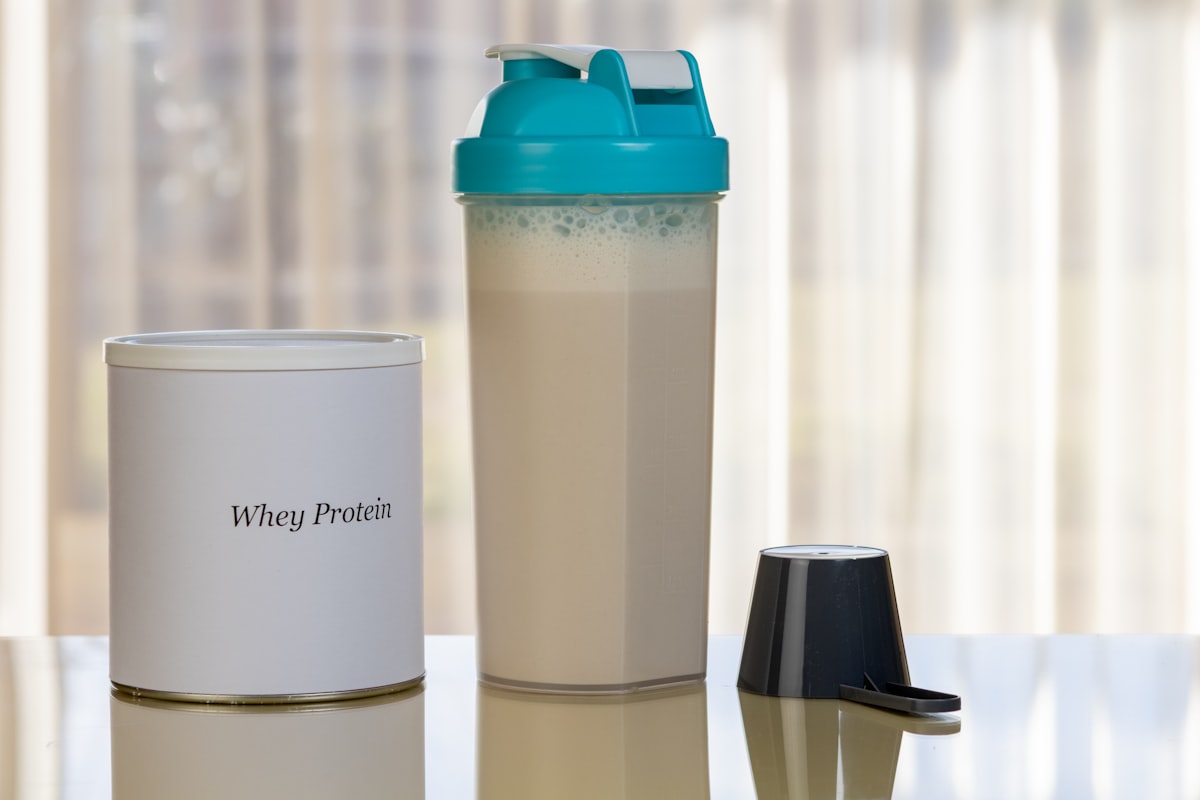
Complete Pre-Workout Nutrition Guide
Learn how to optimize your meals before training for maximum energy and performance during your workouts.
Read More →
Post-Workout Recovery Nutrition
Discover the best strategies for refueling your body after exercise to enhance muscle recovery and growth.Read More →

Hydration and Electrolyte Management
Understand how proper hydration and electrolyte balance impact performance and endurance during intense training.
Read More →Need Personalized Nutrition Guidance?
Our editorial team regularly publishes evidence-based articles and guides to help you optimize your athletic nutrition strategy.