
Fuel Your Body Right
Master the science of pre and post-workout nutrition with Bodybuildnutri. Discover how strategic nutrition timing and composition can elevate your fitness performance and accelerate your goals.
The information on this site is for educational purposes only and does not constitute medical advice. Always consult a qualified healthcare professional before making health decisions.
Discover the nutrition strategies that transform athletes — explore our complete guides today
Pre-Workout Nutrition Timeline
Optimize your performance by understanding when and what to consume before your training session
2-3 Hours Before
Consume a balanced meal containing complex carbohydrates, lean protein, and healthy fats. This timing allows for proper digestion and sustained energy release during your workout session.
- Oatmeal with egg whites
- Chicken breast with brown rice
- Greek yogurt with berries
30-45 Minutes Before
Consume a light snack or drink high in simple carbohydrates with minimal fiber and fat. This provides quick energy without causing digestive discomfort during intense exercise.
- Banana with almond butter
- Sports drink or isotonic beverage
- Rice cakes with honey
During Workout
For workouts exceeding 60 minutes, maintain hydration with water and electrolyte solutions. Add carbohydrates to sustain energy levels and support performance throughout extended training sessions.
- Water with electrolytes
- Sports drinks with glucose
- Energy gels for endurance

Post-Workout Nutrition: Your Recovery Foundation
The post-workout window is critical for muscle recovery and adaptation. Understanding nutrient timing and composition accelerates your progress and supports long-term performance gains.
Muscle Protein Synthesis
Protein intake within 1-2 hours post-workout maximizes muscle protein synthesis, supporting growth and adaptation to training stimulus.
Glycogen Replenishment
Carbohydrates restore muscle glycogen stores depleted during exercise, preparing your body for subsequent training sessions and supporting recovery.
Hydration & Electrolytes
Replenishing lost fluids and electrolytes supports cellular function, reduces muscle cramping, and accelerates overall physiological recovery processes.
Pre vs Post-Workout Nutrition
Understand the distinct roles and optimal strategies for nutrition timing around your training sessions
Pre-Workout Strategy
Primary Goal
Provide sustained energy and prevent muscle breakdown during intense training
Ideal Macronutrient Ratio
- Carbohydrates: 40-50%
- Protein: 20-30%
- Fats: 10-20%
Key Nutrients
- Complex carbohydrates for sustained energy
- Moderate protein to support muscle function
- Caffeine for alertness and focus
Example Meal
Whole grain toast with peanut butter and banana, served with green tea
Post-Workout Strategy
Primary Goal
Initiate muscle recovery and replenish energy stores for adaptation and growth
Ideal Macronutrient Ratio
- Carbohydrates: 45-55%
- Protein: 25-35%
- Fats: 5-15%
Key Nutrients
- High-quality protein for muscle synthesis
- Simple carbohydrates for rapid glycogen recovery
- Fluid and electrolytes for rehydration
Example Meal
Grilled chicken breast with white rice and steamed vegetables
Why Choose Bodybuildnutri
Trusted by athletes and fitness enthusiasts across Indonesia for science-based nutrition information
Evidence-Based Content
All our articles and guides are grounded in current sports nutrition research and peer-reviewed studies, ensuring reliable and practical information.
Experienced Editorial Team
Our writers include certified nutritionists, fitness coaches, and athletes who bring real-world expertise and practical insights to every article.
Community Feedback
Our readers send us detailed feedback about how our articles have helped them improve their nutrition strategies and achieve their fitness goals.
What Our Readers Say
Real experiences from athletes and fitness enthusiasts who have transformed their nutrition strategies
"The pre-workout nutrition guide from Bodybuildnutri completely changed how I approach my training. I learned about proper timing and macronutrient ratios that helped me feel stronger during my workouts. My energy levels improved dramatically, and I'm lifting heavier than ever before."
Ahmad Rizki
Fitness Coach, Surabaya
"As someone new to serious training, I was confused about what to eat before and after workouts. The detailed post-workout nutrition section helped me understand muscle recovery better. I've noticed faster recovery times and better muscle definition in just a few weeks of following their recommendations."
Siti Nurhaliza
Personal Trainer, Jakarta
"The comparison between pre and post-workout nutrition was incredibly helpful. I appreciate how they explain the science without being overly technical. The practical meal examples make it easy to implement. My performance in the gym has improved noticeably since I started applying these strategies."
Budi Santoso
Athlete & Nutrition Enthusiast, Bandung
Stay Updated with Nutrition Insights
Get the latest articles and guides on pre and post-workout nutrition delivered to your inbox
No spam. Unsubscribe anytime. We respect your privacy.
Frequently Asked Questions
Common questions about pre and post-workout nutrition answered
The post-workout window is most effective within 30-60 minutes after your training ends. During this time, your muscles are primed to absorb nutrients and initiate recovery processes. However, consuming protein and carbohydrates within 2 hours post-workout still provides significant benefits for muscle protein synthesis and glycogen replenishment.
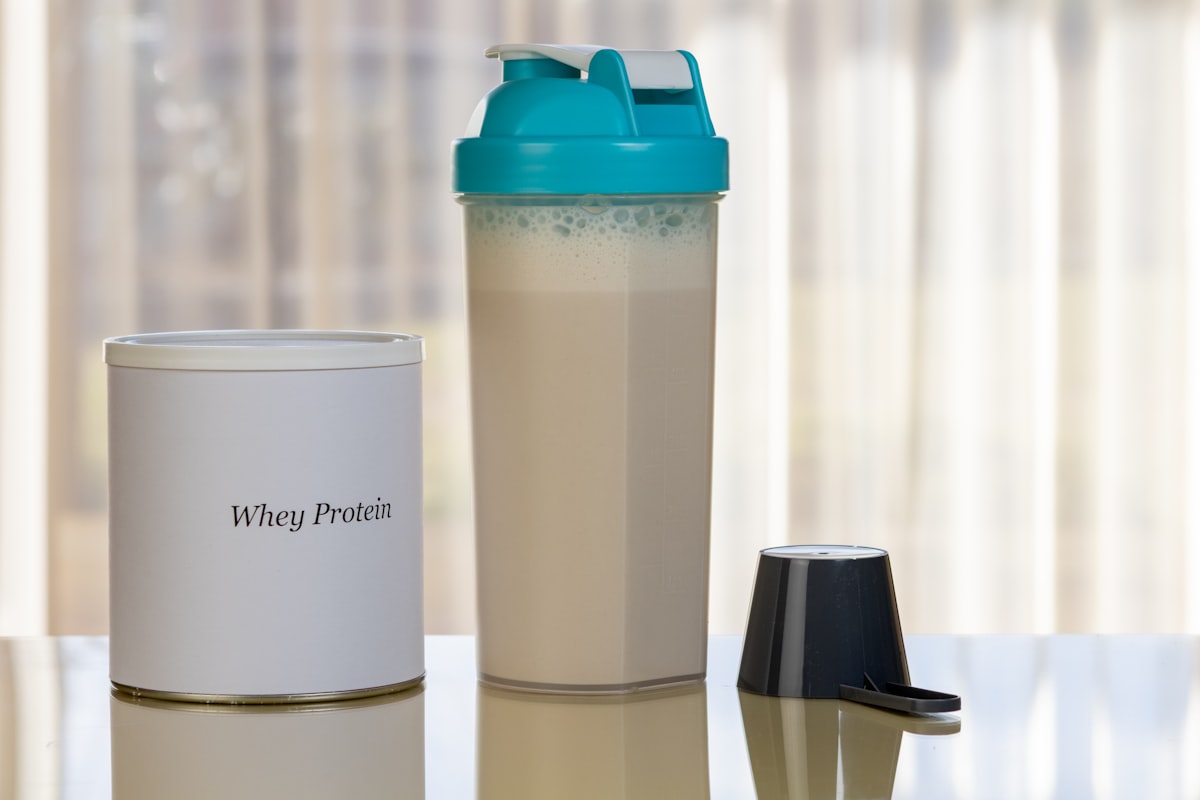
Quality protein sources include lean meats (chicken, turkey), fish, eggs, Greek yogurt, cottage cheese, and legumes. For immediate post-workout consumption, whey protein powder offers fast absorption and convenience. Aim for 20-40 grams of protein depending on your body weight and training intensity. Complete proteins containing all essential amino acids are particularly valuable for muscle recovery and growth.
Fasted exercise is possible but generally not optimal for high-intensity workouts. Without pre-workout fuel, your body may break down muscle tissue for energy and performance can suffer. A light snack 30-45 minutes before exercise provides sustained energy. However, for lower-intensity activities like walking or light cardio, fasted training can be acceptable. Listen to your body and fuel appropriately based on your workout intensity and personal response.
Drink according to thirst, aiming for 300-400 milliliters (10-14 ounces) every 15-20 minutes during moderate-intensity exercise. For intense or long-duration activities exceeding 60 minutes, add carbohydrates and electrolytes to your beverage. Drink an additional 400-800 milliliters within 2 hours after your workout to replace fluid losses. Individual needs vary based on body size, sweat rate, environmental conditions, and exercise intensity.
Moderate caffeine consumption after workouts does not significantly impair recovery in most athletes. In fact, post-workout caffeine can enhance alertness and performance in subsequent training sessions. However, consuming caffeine late in the day may interfere with sleep quality, which is crucial for recovery. Space your post-workout caffeine intake appropriately to allow adequate rest periods, and be mindful of total daily intake to avoid disrupting sleep patterns.
For muscle building, distribute daily calories with approximately 40-50% from carbohydrates, 25-35% from protein, and 15-25% from fats. Prioritize protein intake of 1.6-2.2 grams per kilogram of body weight daily. Post-workout specifically, consume a ratio of approximately 1:1 to 1:2 protein to carbohydrates (for example, 30g protein with 40-60g carbohydrates) to optimize muscle protein synthesis and glycogen recovery.
Ready to Optimize Your Nutrition?
Explore our comprehensive collection of articles and guides to master pre and post-workout nutrition strategies tailored to your fitness goals
Questions about our content? Contact our editorial team